
The real differences for motor yachts and sailing yachts:
Yacht Studio’s expert advice
In the yachting industry, the debate between aluminum and fiberglass remains one of the most discussed topics. However, it is often approached too broadly, without considering that the needs of a small recreational boat are very different from those of a motor yacht, a bluewater sailing yacht, or an explorer yacht. According to Yacht Studio, there is no universally superior material. The real difference lies in the owner’s cruising plans, together with the quality of the design and construction.
When discussing yachts over 12–15 meters, far more complex factors come into play, including cruising comfort, range, sound insulation, load capacity, offshore safety, long-term maintenance, and resale value. Today, large yachts are primarily built using:
- Fiberglass and composite materials
- Marine-grade aluminum
- Steel
- Hybrid multi-material constructions
For example, explorer yachts commonly feature steel hulls combined with aluminum superstructures, while high-performance sailing yachts increasingly utilize carbon fiber and advanced composites.
Aluminum yachts: when are they really worth it?
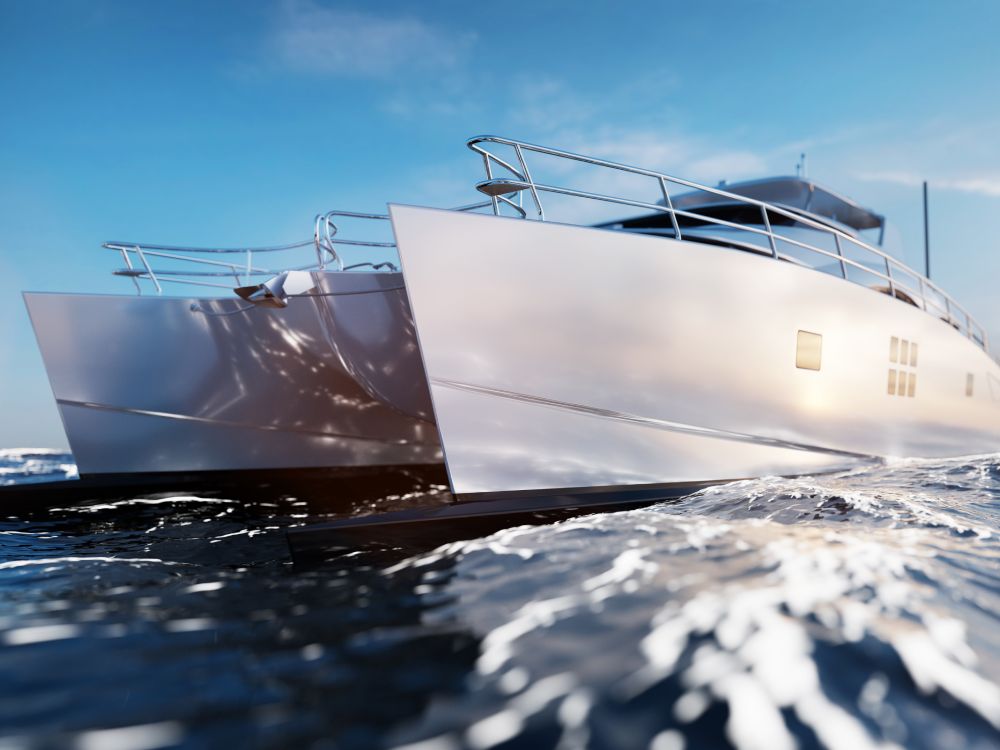
Aluminum has long been associated with ocean-going vessels designed to withstand demanding conditions. Its primary advantage is structural strength. An aluminum hull can absorb significant impacts and stress while maintaining high safety standards, making it especially attractive for offshore cruising and long-distance passages.
For this reason, Yacht Studio often recommends aluminum for explorer yachts, expedition vessels, bluewater sailing yachts, high-latitude cruising, and professional or intensive use. Aluminum construction also significantly reduces vessel weight, providing tangible benefits in fuel efficiency, range, and performance.
Another major advantage is the ease of structural modifications over time. Repairs, reinforcements, and alterations are generally simpler to perform compared to composite constructions.
The limitations of aluminum boats
Aluminum requires highly attentive technical management. Construction costs are typically higher than fiberglass, and both design and fabrication demand specialized expertise. Poorly designed electrical systems or neglected maintenance can lead to serious corrosion issues, making regular inspections and professional management essential.
Thermal and acoustic comfort also require careful consideration. Aluminum naturally transfers noise, vibration, heat, and cold more readily than fiberglass. While premium yachts address these issues through advanced insulation systems and soundproofing materials, these solutions inevitably increase overall costs.
Why fiberglass dominates the market
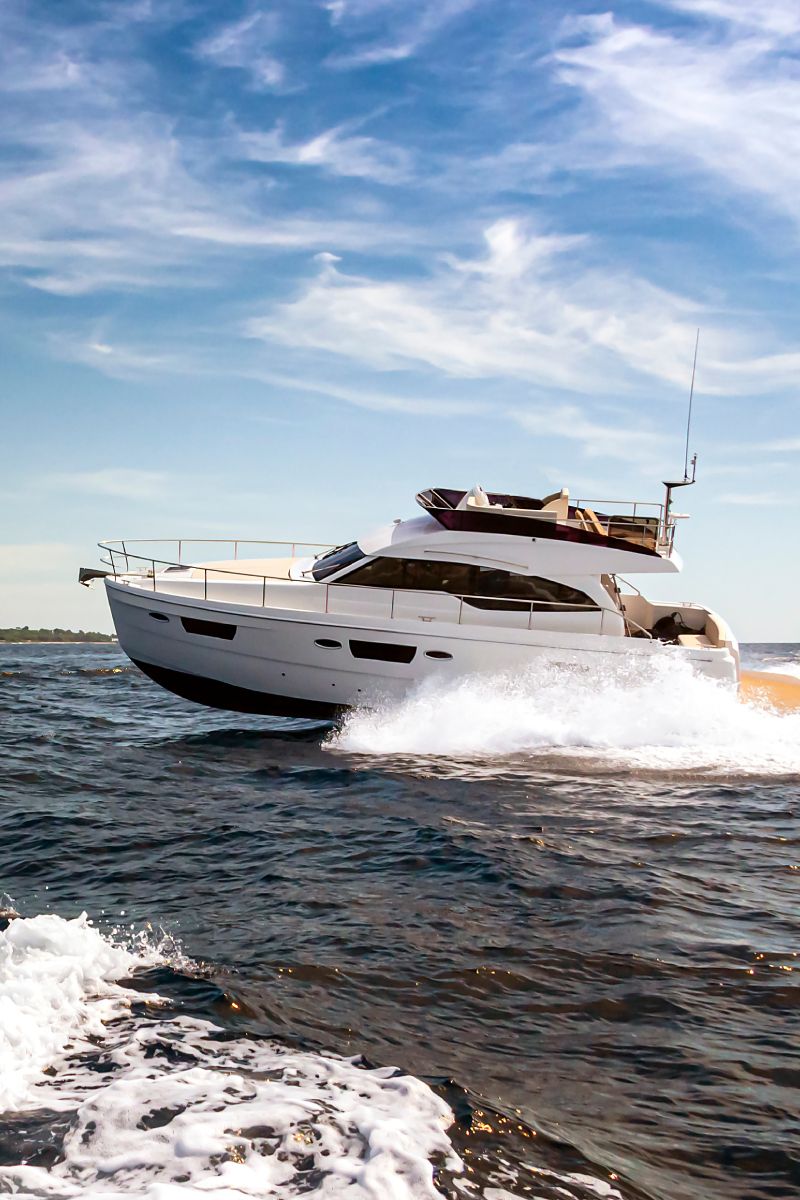
Despite aluminum’s technical appeal, fiberglass remains the most widely used material in modern recreational boating. According to Yacht Studio, the reason is simple: it offers an exceptionally effective balance between comfort, design flexibility, cost, and manufacturing efficiency.
From a livability perspective, fiberglass provides a quieter onboard environment, reduced vibration, better acoustic insulation, and superior cruising comfort. These qualities are particularly valued in flybridge yachts and vessels designed for Mediterranean cruising.
Composites also allow far greater design freedom than aluminum, enabling sleek modern lines, generous interior volumes, and highly sophisticated hull shapes. From a manufacturing standpoint, fiberglass offers additional advantages, including faster production times, greater standardization, more competitive pricing, and high-quality finishes.
The limitations of fiberglass
Fiberglass also has certain drawbacks that should be considered. In the event of impacts or structural damage, some issues may not be immediately visible. Major repairs often require highly specialized technicians. There is also the issue of osmosis, a historic concern for fiberglass hulls. Modern materials have dramatically improved reliability compared to the past, but proper maintenance remains essential. Additionally, structural modifications are generally more complex and costly than with aluminum.
What about sailing yachts?
In the sailing world, the comparison becomes even more interesting. Owners who choose aluminum sailing yachts typically prioritize safety, reliability, ease of repair, and exceptional durability. Aluminum is particularly popular among sailors planning ocean crossings, circumnavigations, or voyages to remote regions.
Yacht Studio’s conclusion
A well-designed fiberglass yacht can outperform a poorly built aluminum one, just as a lightweight alloy explorer yacht can be unmatched for certain extreme cruising programs. According to Yacht Studio, the best choice always depends on balancing the yacht’s intended use, construction quality, desired comfort, cruising plans, and the shipyard’s expertise.
For Mediterranean cruising and family use, fiberglass often remains the most balanced and practical solution. For ocean passages, explorer yachts, and demanding offshore programs, aluminum continues to be one of the most reliable and respected choices available.